

Most Popular Posts
Aquafeed Study: valuable insights, but more recognition of European marine ingredients is needed
Higher EPA and DHA levels in feed improve salmon welfare and sustainability: EFFOP’s analysis
New model of PFAS transfer from feed to fillet in farmed salmon indicates low dietary exposure risk: EFFOPS analysis
EFFOP has submitted feedback on the Commission’s consultation on the European Ocean Research and Innovation Strategy
EFFOP has submitted feedback on the Commission’s consultation on Sustainable fishing in the EU: state of play and orientations for 2027
From Waste to Value – Supporting a Circular Economy: Highlights from EFFOP Conference 2026
New President and Vice-president elected at General Assembly
Use of fishmeal and fish oil reduces carbon footprint of farmed fish
Comment on the DanWatch article
UN Ocean Conference – Lisbon 2022
EFFOP Biennial Conference 2022
New report on sustainability claims – a great introduction
Tag cloud
aquaculture
aquafeed
ASC
blue economy
Circular Economy
climate change
conference
ecosystems
EFFOP
EU
EU Commission
EUfishmeal
EUfishmeal conference
EUMOFA
European Commission
European Fishmeal
Farm to Fork
feed
fishmeal
fish oil
Fmsy
Fmsy project
greenhouse gas
herring
ICES
IFFO
industry
MAC
management
Market Advisory Council
MEESO
MEESO project
mesopelagic
NMTT
omega-3
omega-3 fatty acids
omega3
protein
report
research
SeafoodSource
sustainability
Tórshavn
UN
workshop
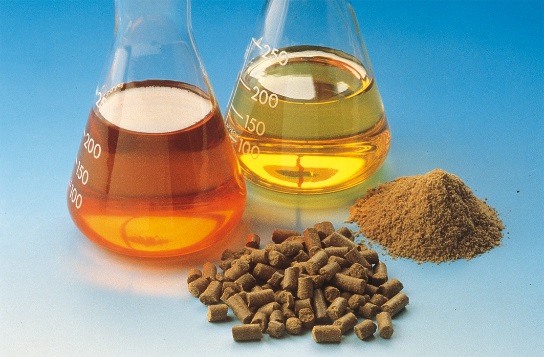
Use of fishmeal and fish oil reduces carbon footprint of farmed fish
Substituting plant-based feed ingredients in fish feed with marine ingredients, such as fishmeal and fish oil, can reduce the carbon footprint from farmed fish. This…