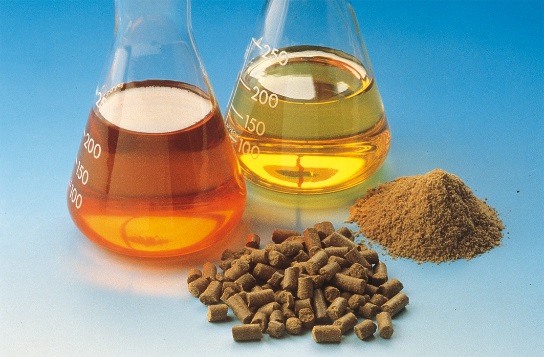

FIFO figures below 1 for salmonids in 2015 Source: IFFO IFFO, The Marine Ingredients Organisation, has calculated new Fish In: Fish Out ratios (FIFO) for 2015 and for the first time FIFO figures for salmonids are below 1. Calculated with FAO data, Fish In: Fish Out ratios (FIFO) have been used by as a way of reviewing the consumption of wild fish by the sector since the 1990s. Salmonids have drawn attention on this subject in the past, and have been criticised previously for their use of fishmeal and fish oil. In 2015 the…
EUfishmeal bi-annual conference 2017, Dublin and Killybegs, Ireland Every other year, EUfishmeal brings its members and associated members together for the bi-annual conference. The location for the conference alternates from member…
EUfishmeal responsibility paper is now online During recent months EUfishmeal has worked on a infographic about the responsibility of the european fishmeal and fish oil industry. Fishmeal and fish oil are responsible marine ingredients based on certified sustainable fisheries. That is a message we want to communicate to the public and our responsibility is a tool to do so. Click here to see and read full paper Fishmeal and fish oil is produced mainly from small, short-lived fish with little or no potential for direct…
Farmed salmon need marine omega 3 A new study shows that marine omega 3 fatty acids are necessary in feed to protect the good health of the farmed salmon. In her PhD thesis at Nofima, Marta Bou Mira studied what minimum level of marine omega 3 fatty acids is required in feed to ensure that farmed salmon maintain health and grow well through various life phases under differing environmental conditions. The particular fatty acids she studied are were EPA and DHA. Fish oil is the more important source of these fatty…
Ray Hilborn study disputes previous findings on forage fish A new study has been published by a scientific group led by University of Washington fisheries researcher Ray Hilborn that disputes previous findings on the impact of human and natural predation on forage fish such as anchovies, sardines and herring. by IFFO A team of seven respected fisheries scientists, led by Prof. Ray Hilborn, Ph.D., of the University of Washington, found that predator populations are less dependent on specific forage fish species than assumed in previous…
IFFO position paper on Forage Fish Dependency Ration EUfishmeal supports IFFO in their statemens about forage fish dependency ratio (FFDR). It is important to underline, that as long as fishmeal and fish oil are produced from well managed fisheries, or from byproduct from fish from well managed fisheries, then their use in aquafeeds is sustainable. READ the full position paper here The position paper analyzes the FFDR to provide clear information on this complex debate. FFDR is an often quoted tern in the dialogue on feed aquaculture…