Logo
  • About EFFOP
    • The voice of the European producers
    • Governance
    • Members
    • Representation and Partnership
    • Secretariat
  • Responsible Sourcing
    • Raw materials
    • Management of fish stocks
    • Annual TAC & Quota overview
    • Our Industry Standard
  • The European Industry
    • Fishmeal and Fish Oil
    • The European supply
    • Certification Standards
    • Nutrition & Environment
    • Use of marine nutrients
  • EFFOP Commitment
    • Our Sustainable Development Goals
    • EU Code of Conduct
    • IFFO Standard
    • Policy Papers
  • Associated Members
  • Fact Sheet
    • Fact Sheet
  • News & Events
    • News & Events
    • Publications
    • EFFOP Events
    • News from our Members
    • Projects
  • Members Page
    • Welcome
    • EFFOP Events and Presentations
    • Technical
    • EU Updates
    • Governance
    • Photos
Generic selectors
Exact matches only
Search in title
Search in content
Post Type Selectors

  • Posts

Reflections from SPF-2026: Small Pelagic Fish, Food Systems, and the Future of Marine Ingredients

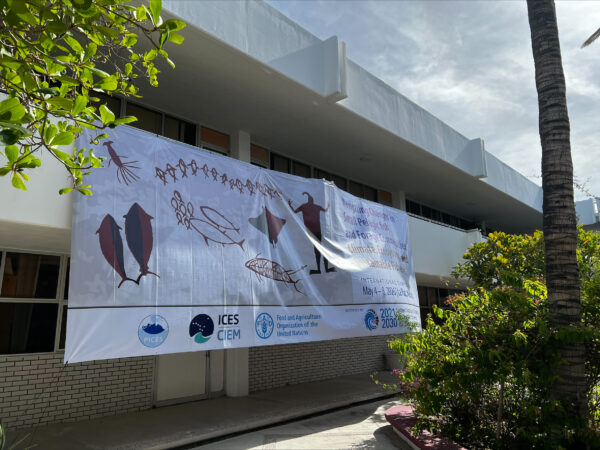
Last week, our biologist, James Hinchcliffe participated in the international symposium Navigating Changes in Small Pelagic Fish and Forage Communities: Climate, Ecosystems, and Sustainable Fisheries (SPF-2026) in La Paz, Mexico, contributing to discussions on the evolving role of small pelagic fish within global food systems, aquaculture, and ecosystem-based fisheries management. The symposium brought together scientists, fisheries experts, and industry…
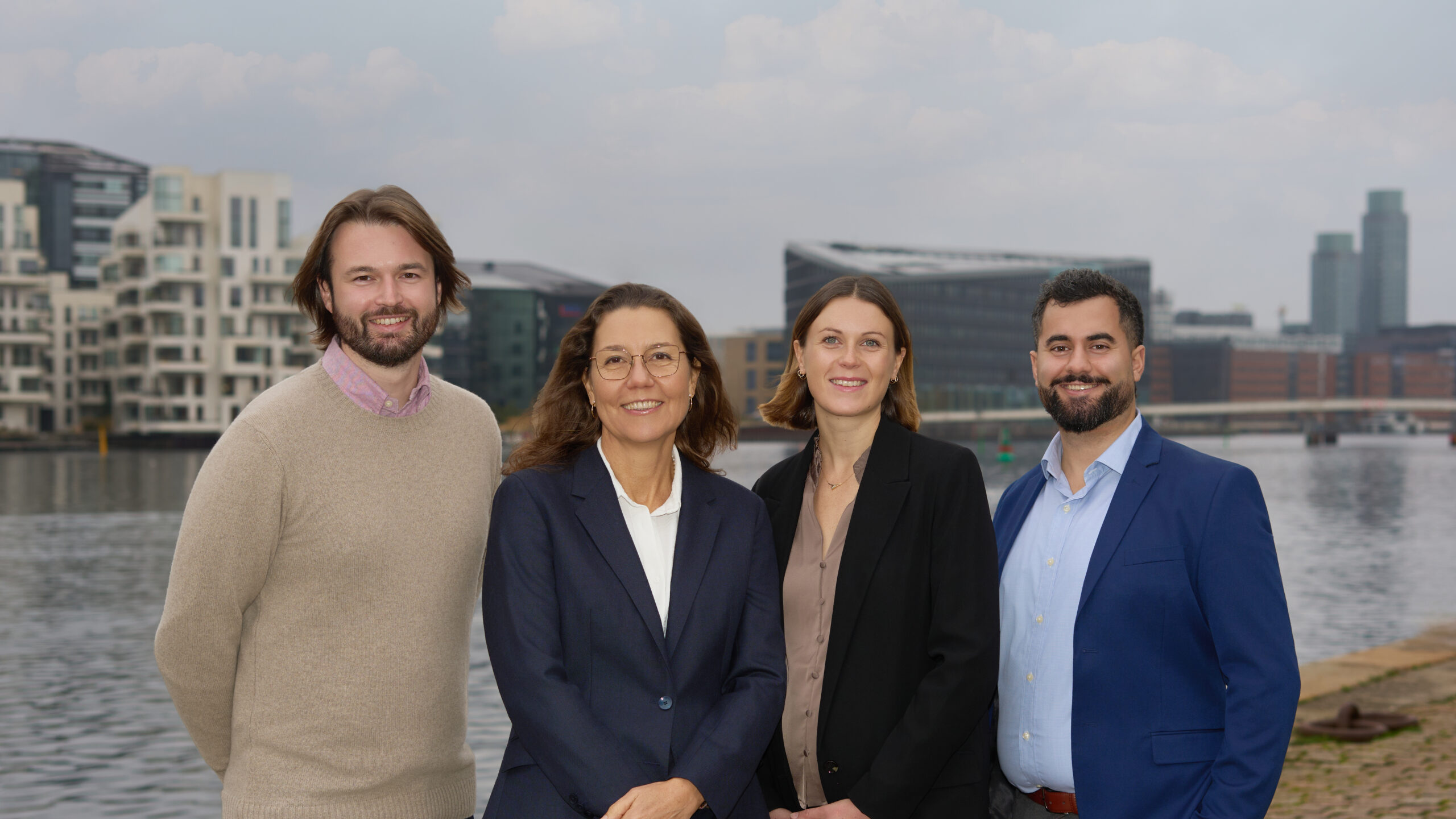
EFFOP Biologist joins ICES Working Group on Food Systems and Nutrition

EFFOP biologist James Hinchcliffe has joined the International Council for the Exploration of the Sea Working Group on Food Systems and Nutrition (WGFSN), contributing to ongoing discussions on the role of aquatic foods in sustainable, nutritious, and accessible food systems. WGFSN brings together experts across fisheries, aquaculture, nutrition, and food systems to address a longstanding challenge: fisheries and aquaculture are often managed separately, despite…

The devil is in the detail: new aquafeed research reveals hidden environmental trade-offs

Aquaculture plays a crucial role in meeting growing global demand for nutritious seafood. However, feed remains the dominant contributor to the environmental footprint of farmed fish production, accounting for between 50–90% of total impacts in many systems. Over the past two decades, the aquaculture sector has significantly reduced its reliance on marine ingredients such as fishmeal and fish oil. This shift has often been presented as a key sustainability achievement.…

EU Zero Pollution Action Plan: Mid-Term Review Highlights Progress but Challenges Remain

The European Commission has published the mid-term review of the EU Zero Pollution Action Plan, assessing progress since the strategy was launched in 2021 and outlining priorities for the coming years. The review confirms that while encouraging progress has been made in several areas, significant work remains to meet the EU’s 2030 pollution reduction targets and the longer-term objective of a toxic-free environment by 2050. The Action Plan is a key pillar of the European…

The Societal Cost of PFAS Pollution: What New EU Study Shows

A new study commissioned by the European Commission sheds light on the growing societal costs associated with PFAS pollution in Europe. The report, The Cost of PFAS Pollution for our Society, assesses the economic and environmental impacts of these persistent chemicals across the European Economic Area (EEA). PFAS (per- and polyfluoroalkyl substances) are a large group of synthetic chemicals used widely in industrial processes and consumer products because of their…

New research highlights limited visibility of fisheries in biodiversity planning

A new study published in Biodiversity and Conservation highlights concerns among fisheries stakeholders regarding the limited visibility of fish and fisheries issues within current biodiversity planning under the Convention on Biological Diversity (CBD). You can download the paper by  Newton Friedman et al. 2026 here The research analysed 182 National Biodiversity Strategies and Action Plans (NBSAPs) using text analysis techniques to examine how aquatic ecosystems…

EFFOP – Marine Nutrients Europe

Vester Farimagsgade 3, 1.

1606 Copenhagen V

Denmark

CVR: 37555738

TRN: 783980638121-41

+45 33 14 58 00
effop@maring.org
Follow us on Twitter
Follow us on LinkedIn

Contact
Links
Privacy Policy

Sign up for EFFOP’s newsletter

We use cookies to improve your user experience.
You can revoke your consent any time using the Revoke consent button.