
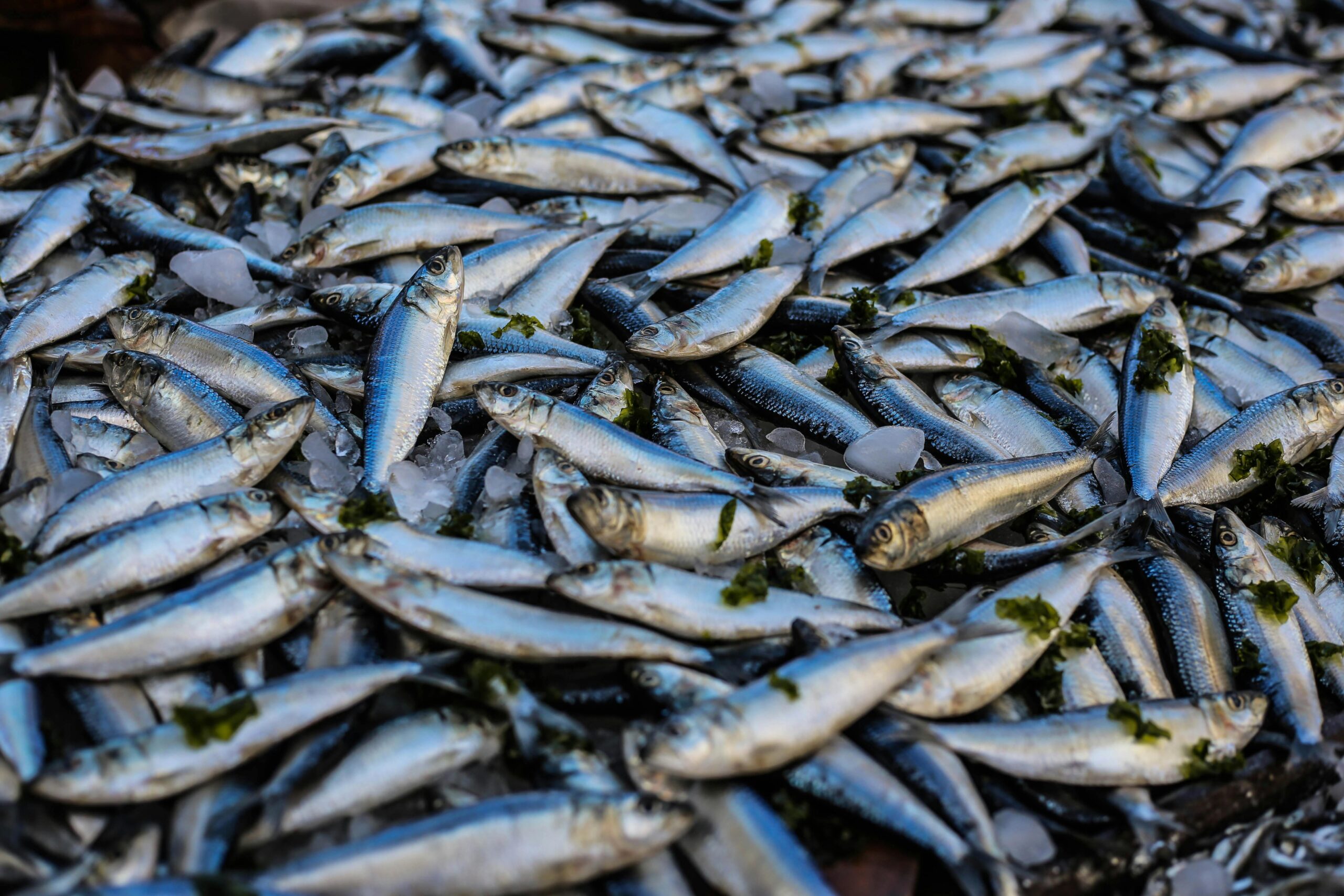
The need for an EU Action Plan for Blue Foods
2026.2.27
On 26 February 2026, the North Sea Advisory Council (NSAC) adopted its Advice on Blue Foods, highlighting the importance of fisheries and aquaculture for Europe’s food security, resilience and sustainability objectives.
The advice underlines the strong nutritional value of aquatic foods and their comparatively low environmental footprint. At the same time, it notes that EU per capita consumption of wild-caught seafood has fallen to its lowest level in a decade, despite the fact that most European stocks are sustainably managed.
EFFOP, as a member of NSAC, supports the advice, in particular the recommendation to develop an EU Action Plan for Blue Foods by the end of 2026. Such an Action Plan could provide a coherent framework for strengthening both the sustainable production and consumption of aquatic foods and ensure that blue foods are firmly embedded in the Vision for Fisheries and Aquaculture 2040.
Beyond the Action Plan, the NSAC advice puts forward a number of additional recommendations, including:
- Establishing an EU Blue Foods Platform to ensure structured stakeholder engagement and stronger policy coherence across EU initiatives.
- Integrating blue foods into the “Buy European food” campaign and wider EU promotion policies to strengthen consumer awareness and trust in sustainably produced European seafood.
- Supporting innovation, digitalisation, modernisation and traceability systems across the value chain, including investments in low-carbon and resource-efficient technologies.
EFFOP remains committed to contributing constructively to the further development of EU policy on blue foods and to ensuring that marine ingredients are recognised as a central part of the blue value chain, linking sustainable fisheries to aquaculture production and to healthy, resource-efficient food for European and global consumers.
In this regard, EFFOP emphasises the need for mandatory nutritional labelling of all aquatic food, ensuring clear and visible information on key nutrients, including omega-3 fatty acids (EPA and DHA).
Read the full advice form NSAC here.