Reflections from the ICES Annual Science Conference 2025 — Klaipėda, Lithuania
2025.9.26
The 2025 ICES Annual Science Conference has just wrapped up, and it was a rich and timely gathering. This year’s meeting in Klaipėda included, alongside the typical program, a special afternoon dedicated solely to the Baltic Sea — with active participation from the European Commission. Thematic sessions spanned topics such as offshore structures, cumulative impacts, climate-ready fisheries, species distribution shifts, and more.
For EFFOP, the conference continues to be a valuable arena to engage with ICES and European research institutes, follow scientific developments relevant to our sector, and understand the directions in which marine policy may evolve.
Key Themes and Takeaways
Human–Seal Coexistence
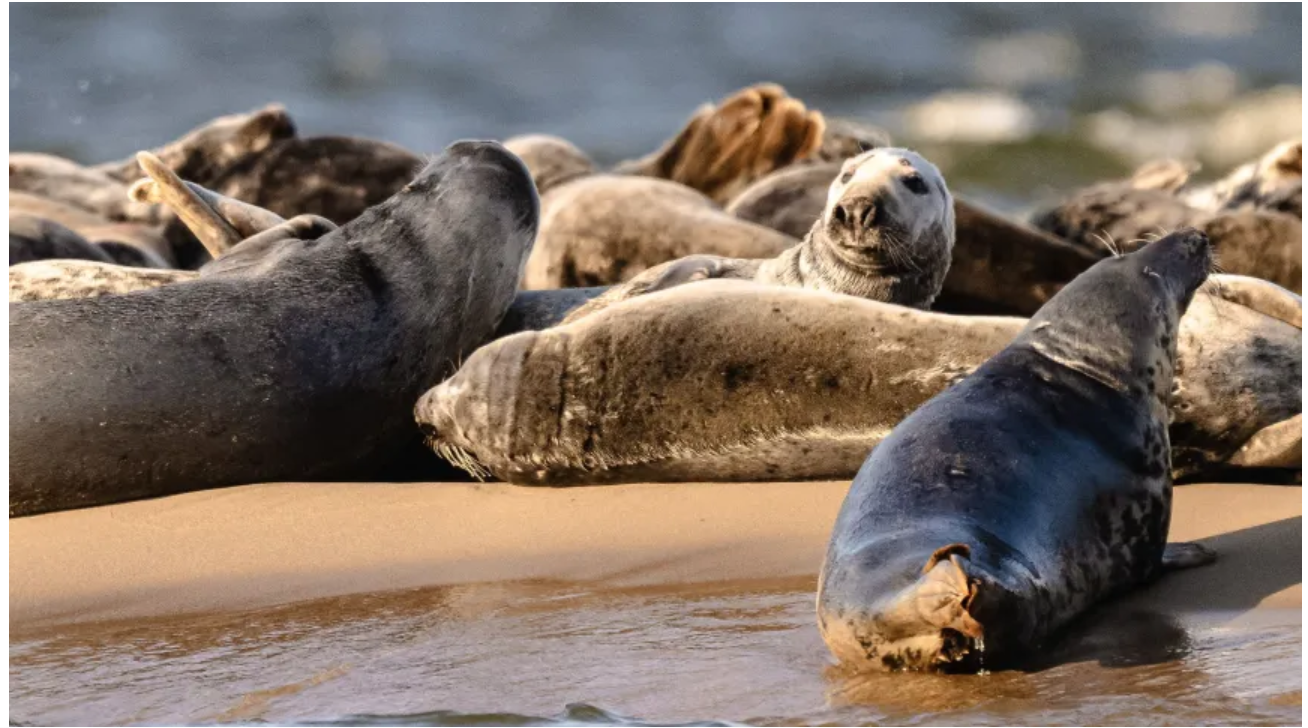
One session addressed the increasing interactions between Baltic grey seals and fisheries. The economic impact on resource users is now well documented, while ecological and conservation considerations continue to shape regulatory debate. Germany presented progress on a seal management plan that identifies success factors for balancing ecological protection with socio-economic interests. Although still incomplete, it may serve as a template for similar approaches in the region.
Prospects for Mesopelagic Fisheries
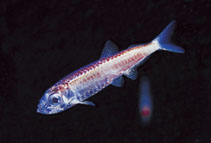
Another presentation examined the potential for harvesting mesopelagic resources, focusing on Maurolicus muelleri in the North Atlantic. Biomass estimates suggest up to 9 million tonnes could be available. Simulated fishing scenarios indicated populations would remain relatively stable, with no collapse observed. However, model outputs differed by almost an order of magnitude, reflecting high uncertainty in stock dynamics and ecosystem interactions. The conclusion was that both environmental sustainability and economic feasibility remain distant prospects, underlining the need for further research before utilisation can be considered.
European Sandeel and Spatial Closures
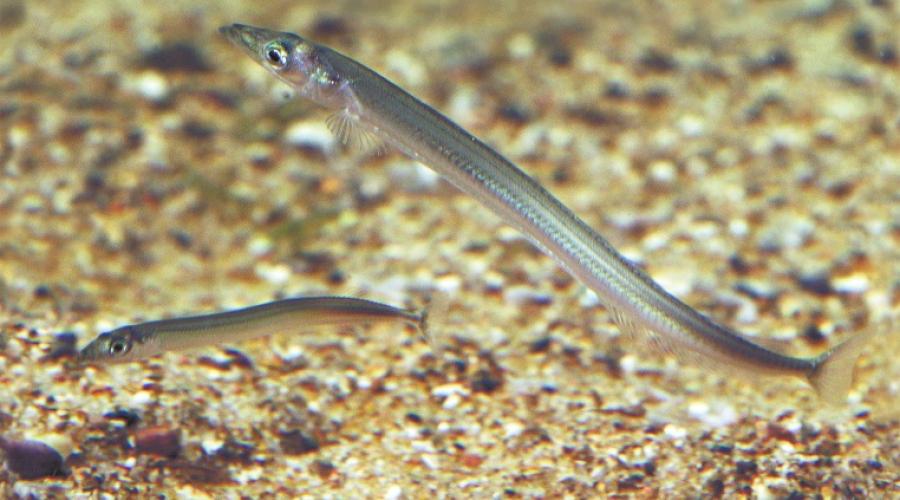
Research on European sandeel highlighted the consequences of spatial closures, including the 2024 exclusion of the UK EEZ. Model projections showed substantial reductions in catch per unit effort, recruitment, and spawning stock biomass, particularly in area 1r — historically contributing around 80% of landings from UK waters. These findings provide further justification for an urgent benchmark assessment of the stock.
Complementary tagging studies demonstrated that sandeel populations are largely sedentary, with low migration between areas. This evidence supports the importance of local abundance in stock assessment and management, reinforcing the sensitivity of the fishery to spatial restrictions.
Offshore Wind and Ocean Dynamics
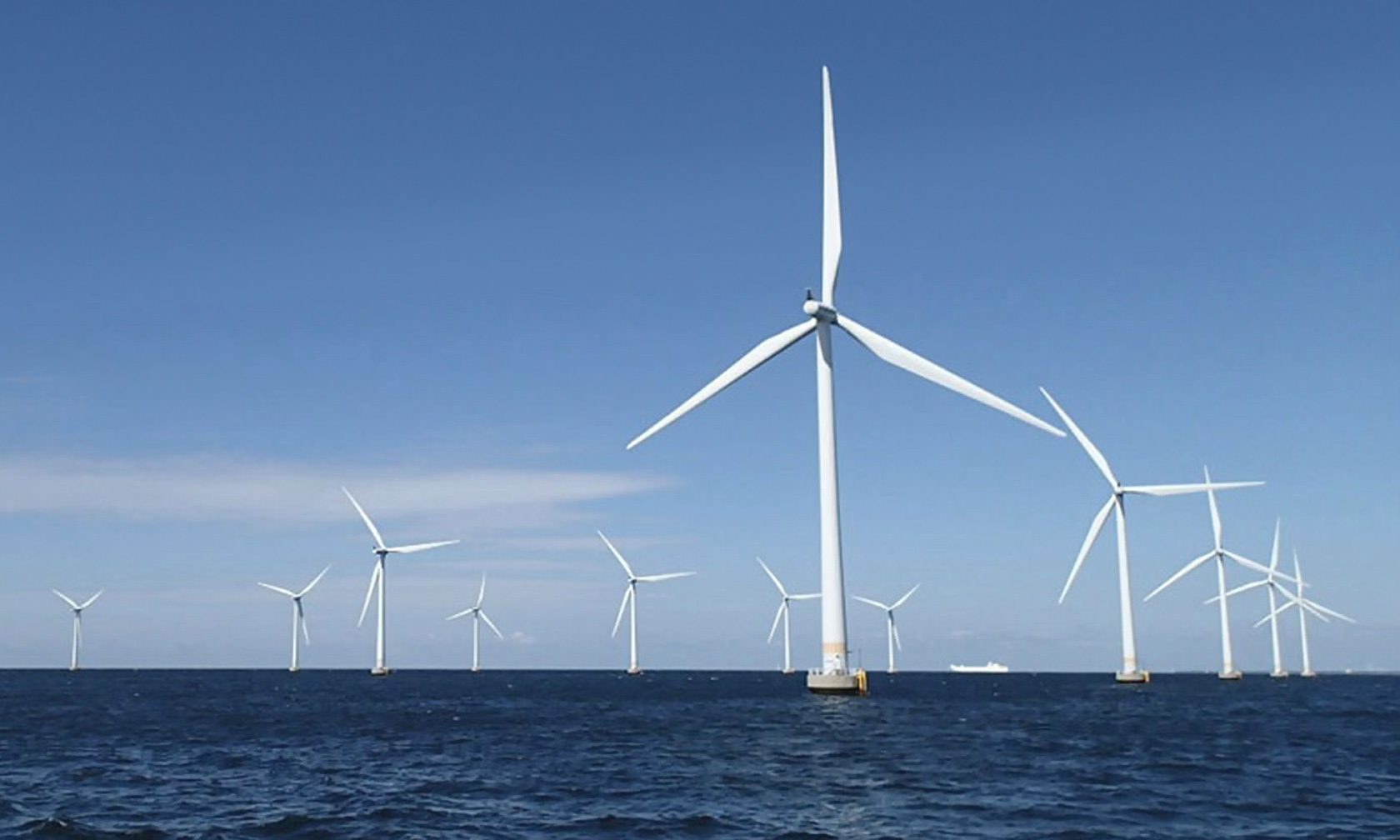
The potential ecological consequences of offshore wind expansion were also assessed. Large-scale turbine deployment was projected to alter tidal flows, pelagic circulation, and nutrient transport. Redistribution of nutrients could enhance primary production and biomass in nutrient-poor regions, possibly supporting new areas of productivity. However, this may also just represent a relocation of existing nutrient flows rather than the creation of additional inputs, raising questions about ecological trade-offs between regions.
Baltic Sea and Cod Recovery
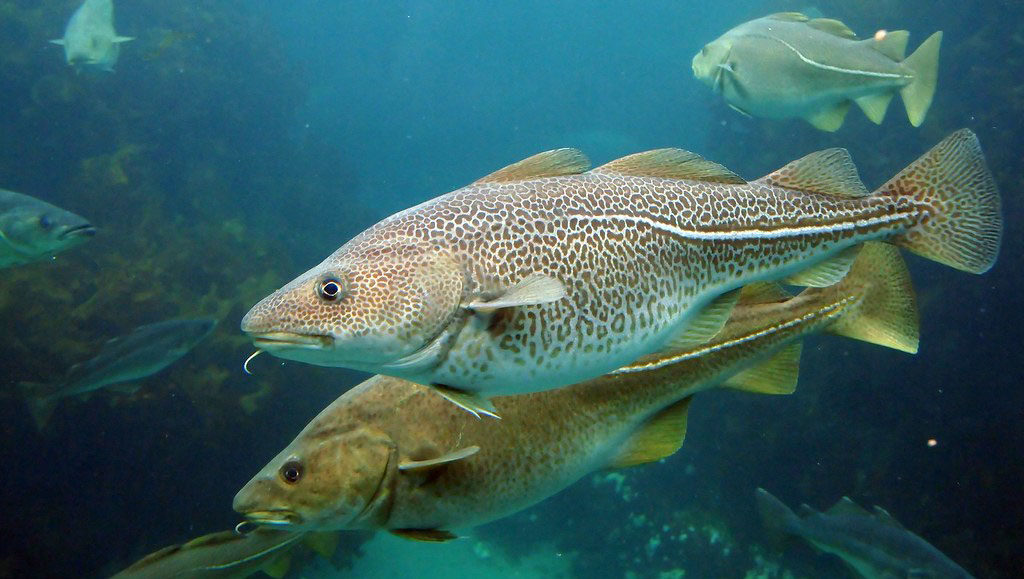
The dedicated Baltic Sea session focused on ecosystem recovery strategies, with cod as a central case. ICES emphasised that the continued decline in cod is primarily attributable to nutrient loading, with fishing pressure assessed as having no significant effect on the current state of the stock. This interpretation was widely supported across the session.