Reflections from SPF-2026: Small Pelagic Fish, Food Systems, and the Future of Marine Ingredients
2026.5.12
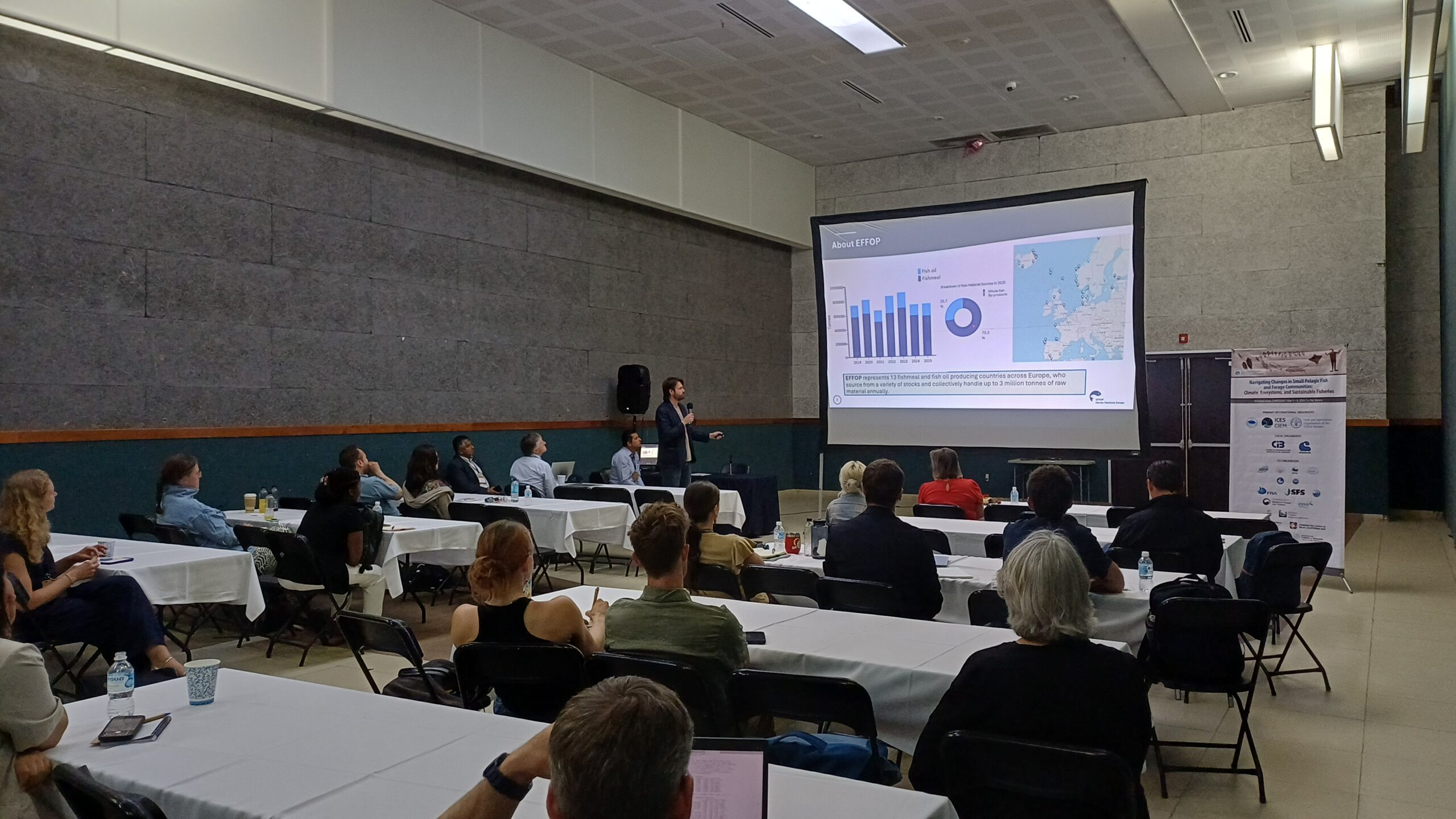
Last week, our biologist, James Hinchcliffe participated in the international symposium Navigating Changes in Small Pelagic Fish and Forage Communities: Climate, Ecosystems, and Sustainable Fisheries (SPF-2026) in La Paz, Mexico, contributing to discussions on the evolving role of small pelagic fish within global food systems, aquaculture, and ecosystem-based fisheries management.
The symposium brought together scientists, fisheries experts, and industry stakeholders from around the world to examine the ecological, climatic, nutritional, and socio-economic dimensions of forage fisheries. Discussions reflected a growing recognition that small pelagic species are not only ecologically important within marine food webs, but also strategically important for global food security and sustainable aquaculture development.
As part of the Joint ICES / PICES Working Group on Sustainable Pelagic Forage Communities (WGSPF), the symposium highlighted the increasing need for integrated approaches to fisheries science and management under changing environmental conditions.
Small pelagic fish account for more than 30% of global marine capture fisheries landings and remain central to the transfer of energy through marine ecosystems. However, their productivity is highly sensitive to climate variability across seasonal, interannual, and multi-decadal scales, creating significant challenges for both fisheries management and long-term food system resilience.
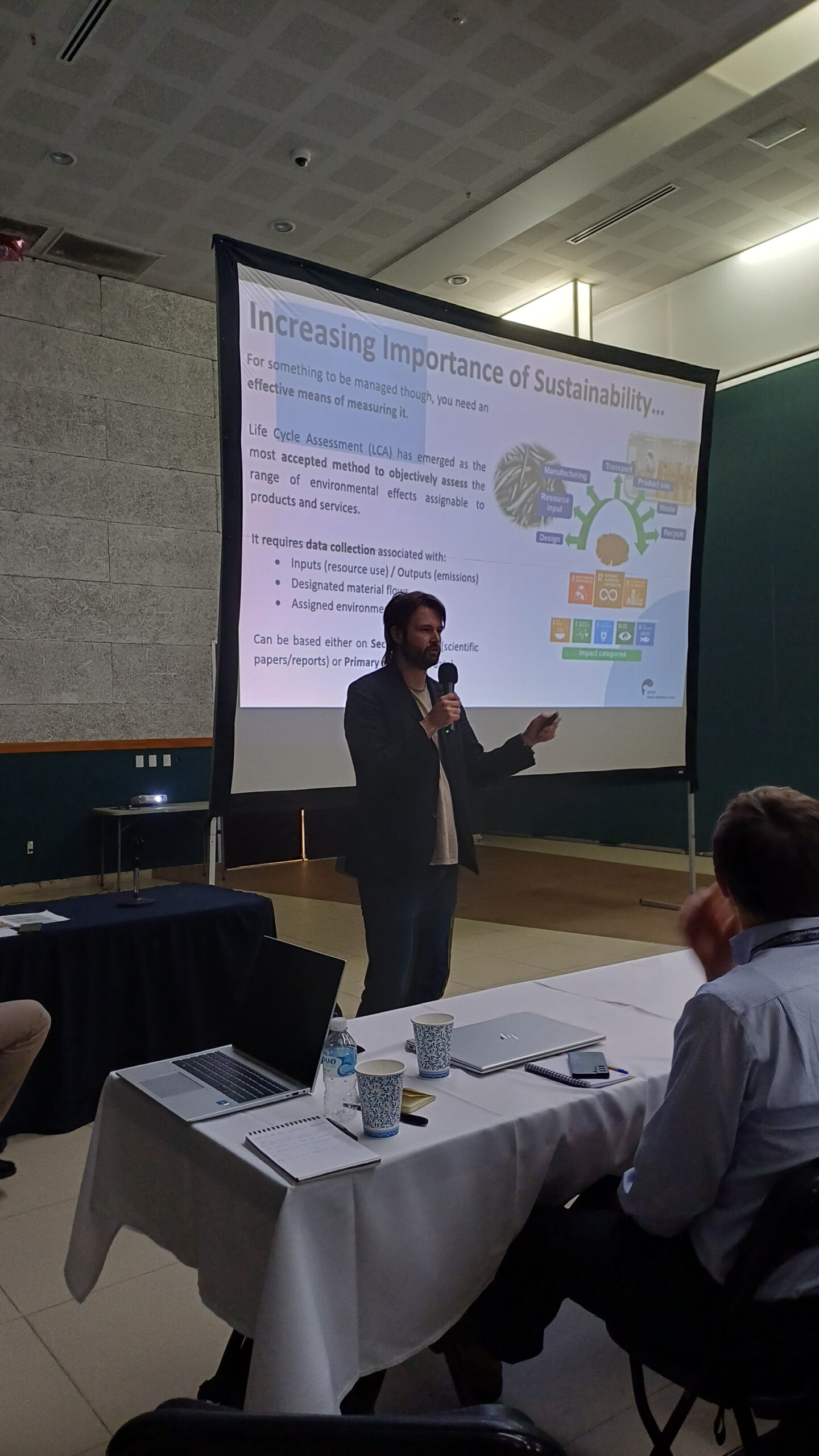
During the conference, James presented work examining the Strategic value of marine ingredients in the blue value chain (presentation here)
The presentation focused on several key themes:
- The growing strategic importance of marine ingredients as concentrated sources of essential nutrients, including EPA, DHA, and essential amino acids
- The increasing role of fisheries and aquaculture by-products in improving circularity and resource efficiency
- The importance of robust Life Cycle Assessment (LCA) methodologies for understanding environmental trade-offs in aquafeed systems
- The need for holistic sustainability assessments that move beyond single-indicator approaches
- The broader relationship between forage fisheries, aquaculture growth, and global nutrition security
There was also strong interest in the role of underutilised resources and processing by-products as part of more circular aquatic food systems. For the marine ingredients sector, this reflects an important shift toward maximising nutrient retention and valorisation across the entire seafood value chain rather than viewing fisheries solely through a volume-based lens.
The symposium further reinforced the importance of collaboration between fisheries science, ecosystem modelling, aquaculture, nutrition research, and industry. As environmental variability intensifies and demands on aquatic food systems continue to grow, future management approaches will increasingly depend on integrated, evidence-based frameworks capable of balancing ecological resilience, food production, and nutritional outcomes.
For EFFOP, participation in SPF-2026 provided an important opportunity to contribute to ongoing scientific discussions surrounding sustainable forage fisheries, marine ingredient production, and the future role of aquatic foods within resilient global food systems