Key outcomes from the Pelagic Advisory Council meetings in Santiago de Compostela
2026.7.8
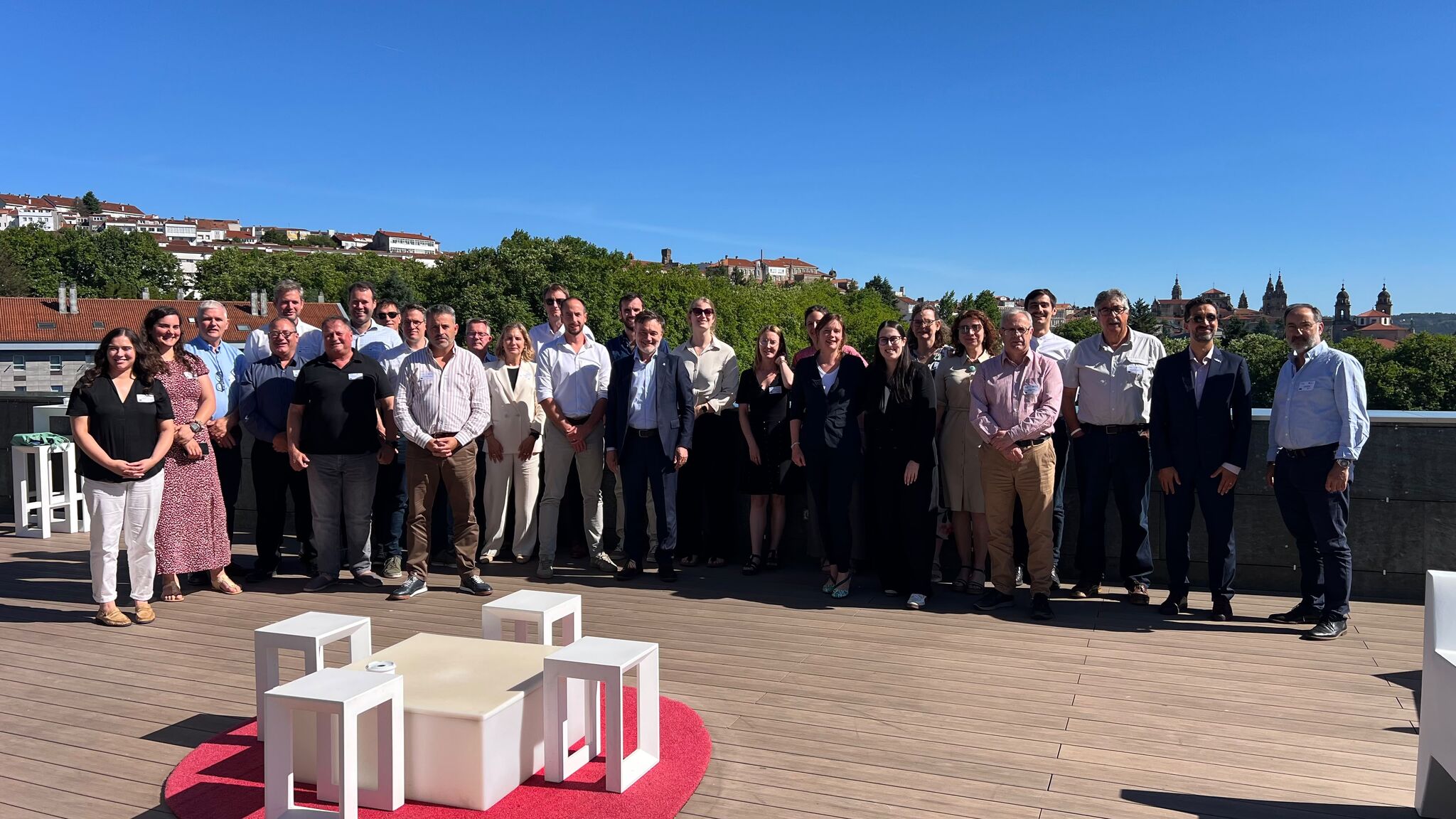
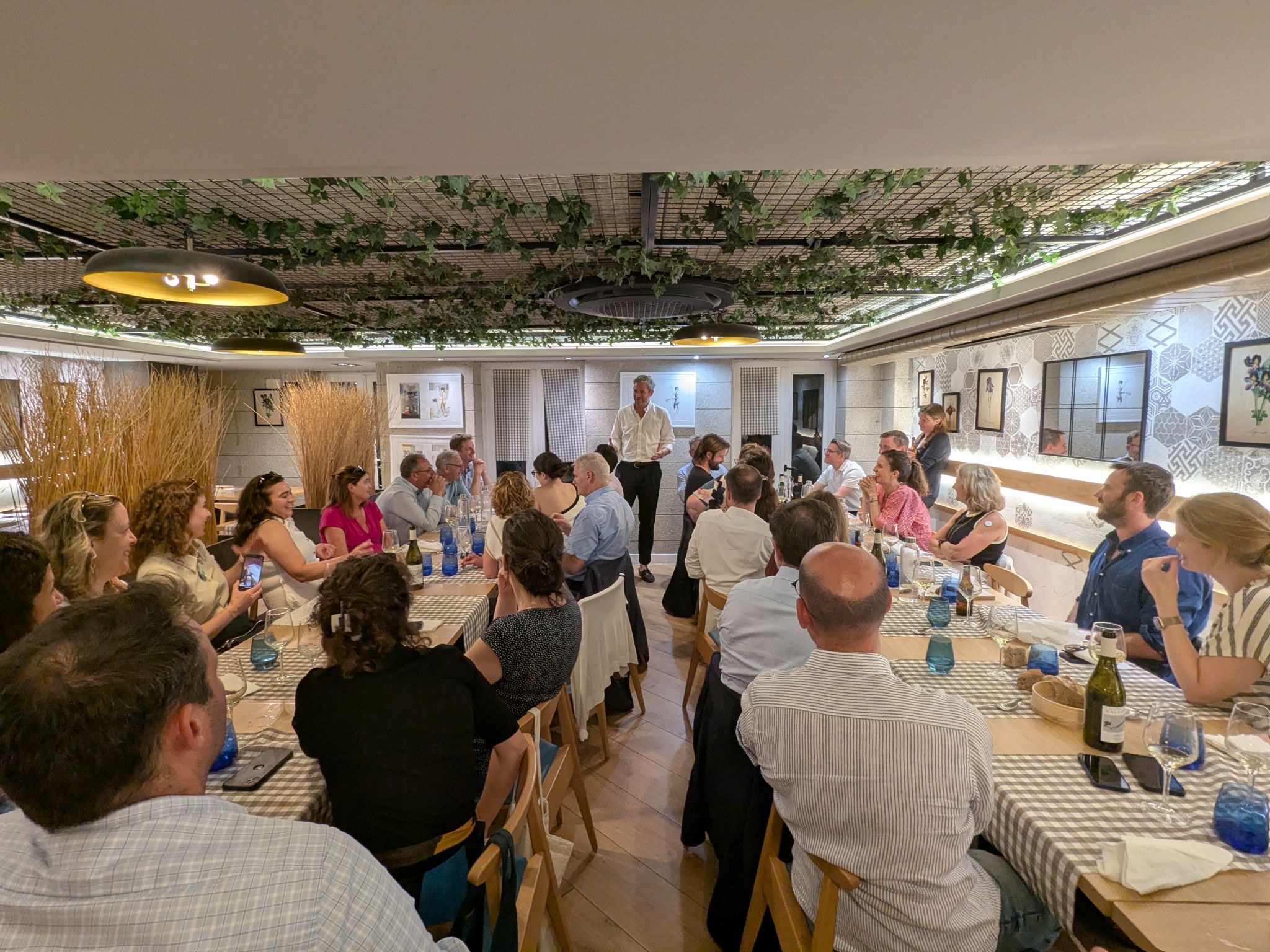
Last week, EFFOP participated in the Pelagic Advisory Council (PelAC) meetings in Santiago de Compostela, taking part in Working Groups I and II as well as the Executive Committee. The meetings brought together representatives from the fishing industry, scientists, the European Commission and other stakeholders to discuss the latest scientific advice, management developments and policy priorities for Europe’s pelagic fisheries.
Several topics will have important implications for the marine ingredients sector over the coming years, particularly the ongoing development of harvest strategies, preparations for the 2027 fishing opportunities, and discussions on widely distributed pelagic stocks.
Science continues to evolve for key herring stocks
One of the main discussions focused on the latest ICES advice for North Sea autumn spawning herring. ICES presented updated biological reference points, including a revised MSY Btrigger, reflecting improved scientific understanding of the stock rather than a deterioration in its status. While spawning biomass has declined from the exceptionally high levels observed in the early 2010s, the stock remains above precautionary reference points and fishing mortality continues to remain close to target levels.
Discussions also highlighted improvements in stock discrimination techniques, which have significantly reduced estimates of Western Baltic Spring Spawning (WBSS) herring occurring within the North Sea fishery. Improved monitoring now estimates these catches at around 250 tonnes, substantially lower than previous estimates, illustrating how advances in scientific methods continue to refine stock assessments.
For Western Baltic Spring Spawning herring itself, ICES reiterated that its advice for zero catch is driven by the precautionary advice framework because the stock remains below Blim. The discussion underlined the distinction between scientific assessments, which can evaluate the biological consequences of different catch scenarios, and the precautionary policy framework that ultimately determines ICES advice.
Meanwhile, concerns were raised by Scottish and Irish stakeholders regarding the current assessment for herring in Division 6.a (North). Industry representatives argued that the existing stock boundaries no longer adequately reflect the biological distribution of the stock and suggested that future benchmark reviews should examine whether the assessment framework remains fit for purpose.
Coastal State negotiations remain a priority
The European Commission provided an update on the ongoing Coastal State consultations for Northeast Atlantic mackerel and other widely distributed pelagic stocks.
Negotiations remain at an early stage, with the next formal consultations scheduled for September. The Commission confirmed that it continues to support a science-based Total Allowable Catch in line with the latest ICES advice while seeking progress towards a long-term sharing arrangement among Coastal States.
The Commission also reiterated its concerns regarding Russia’s unilateral mackerel quota, noting that autonomous catches continue to increase Russia’s effective share of removals despite the declining size of the stock.
Alongside these negotiations, work continues on developing a new Management Strategy Evaluation (MSE) for Northeast Atlantic mackerel. This process aims to identify a robust long-term harvest strategy capable of performing under changing environmental conditions and uncertainty. PelAC has prepared stakeholder recommendations outlining the management principles that should guide this work, with final recommendations expected during 2027.
Scientific work progresses on boarfish and blue whiting
Updates were also provided on two species of particular importance to the marine ingredients sector.
ICES is currently developing a simplified Management Strategy Evaluation for boarfish, with further discussions planned later this year to define the objectives that future management procedures should achieve.
Blue whiting will undergo a full benchmark assessment in early 2027. Ahead of this, PelAC will establish a stakeholder focus group to help identify management priorities that can inform both the benchmark process and future long-term management strategies.
Mackerel tagging programme continues to deliver valuable information
Working Group II received an update on the Northeast Atlantic Mackerel Tagging Programme, which continues to expand across the region.
More than 730,000 tagged mackerel have now been released, with electronic detection systems operating on pelagic fishing vessels and at fishmeal production facilities. The programme is generating an increasingly valuable dataset on migration patterns, stock mixing and seasonal distribution, complementing traditional scientific surveys.
As changes in stock distribution continue to influence both stock assessments and international quota negotiations, these independent data are expected to become increasingly important for future fisheries management.
Looking ahead to the 2027 fishing opportunities
The European Commission also presented its annual Communication on Fishing Opportunities for 2027, setting out the policy framework that will underpin this year’s TAC negotiations.
The Commission emphasised continued progress towards sustainable fisheries management through reduced fishing mortality and reaffirmed its intention to base future TAC proposals on ICES advice wherever possible.
During the discussion, stakeholders highlighted the importance of recognising that environmental change is becoming an increasingly important driver of stock productivity alongside fishing pressure. Participants noted that future fisheries management will need to continue integrating evolving scientific understanding of ecosystem dynamics, climate impacts and species interactions.
The Commission also confirmed that implementation of the revised Fisheries Control Regulation, including expanded electronic monitoring requirements, will begin from January 2028.
Greater recognition for forage fish management
A positive development for EFFOP and the wider marine ingredients sector came during the Executive Committee meeting, where it was agreed that both sandeel and North Sea sprat will become standing agenda items within the Pelagic Advisory Council from 2027.
This reflects the growing strategic importance of forage fish management in European fisheries policy and ensures these fisheries will receive regular discussion within the Advisory Council.