EFFOP repsonds to the European Commissions call for evidence on the European Ocean Act
2026.2.2
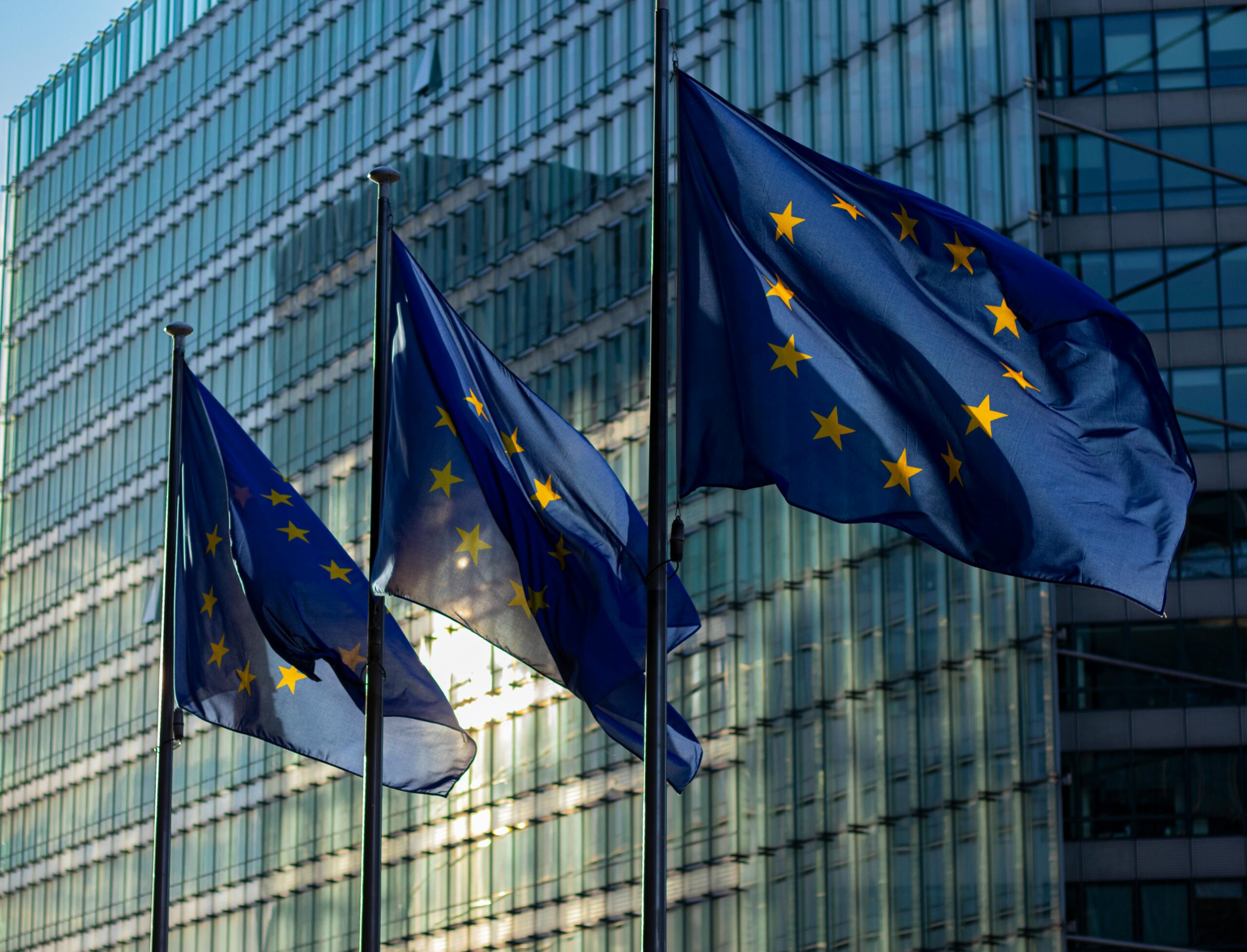
From 12 January to 9 February 2026, the European Commission has launched a call for evidence on the forthcoming European Ocean Act.
The European Ocean Act seeks to strengthen and modernise maritime spatial planning as a strategic tool to support and implement the priorities of the European Ocean Pact. A key objective of the Act is to enhance cross-sectoral coordination at national level, while promoting a more coherent and better organised sea-basin approach.
In response to the call for evidence, EFFOP has submitted an official response, which you can read in its fully length below:
“EFFOP – Marine Nutrients Europe welcomes the opportunity to contribute to the Call for Evidence on the European Ocean Pact.
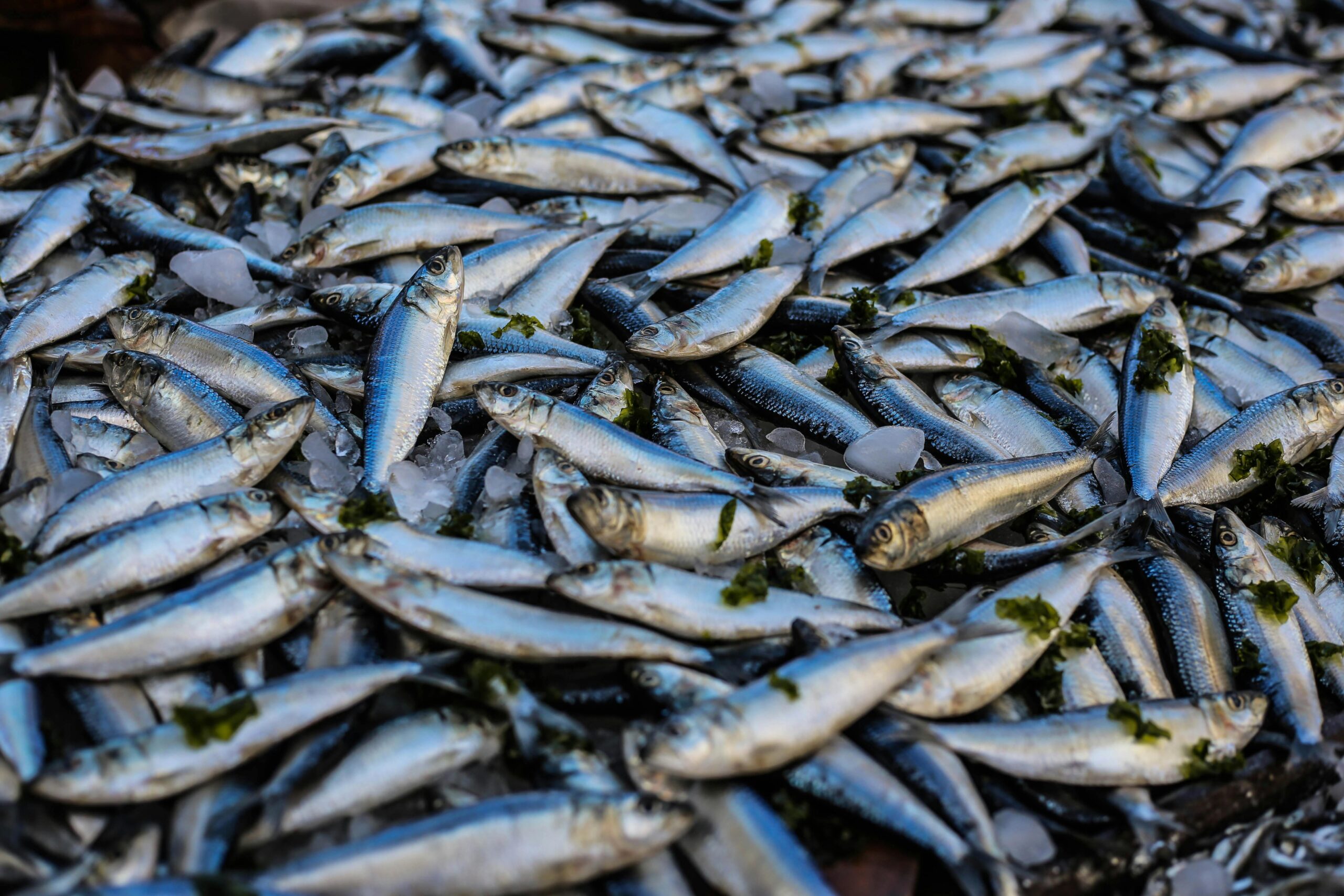
EFFOP is the European trade association representing the European fishmeal and fish oil producers across Denmark, the Faroe Islands, Iceland, Ireland, Norway, Germany, France, the United Kingdom, Estonia, Latvia, Finland, Malta, and Spain. Our industry plays a critical role in supporting the global aquaculture sector, helping to feed the world with healthy, sustainable fish products.
Our annual production is approx. 600,000 tonnes of fishmeal and 190,000 tonnes of fish oil, with an export value of around EUR 2 billion. Marine ingredients are crucial to the growth and intensification of aquaculture, serving as the cornerstone of feed formulations worldwide. While other, land-based, ingredients now contribute to the bulk of nutrients in feed, marine ingredients remain strategically important by providing unique nutrients that are essential for promoting optimal animal health, welfare, growth and immune function.
EFFOP fully support the objectives of the European Ocean Pact to improve the protection of the marine environment, promote a competitive and sustainable blue economy, and enhance coherence in ocean governance. We share the Commission’s assessment that increasing pressures on marine eco-systems, spatial conflicts, and fragmented governance require a more integrated, long-term and evidence-based approach to ocean management.
A healthy marine environment is a fundamental prerequisite for fisheries and blue food production. Reducing land-based sources of marine pollution, including excess nutrient from agriculture, is essential for achieving a healthy environmental status of the seas. Environmental protection and blue food production should not be viewed as competing objectives, but as mutually reinforcing pillars of long-term sustainability, food security, and coastal resilience. Our sector is directly dependent on resilient marine ecosystems and therefore fully supports ambitious action to protect biodiversity and reduce pollution.
To be effective, any blue food initiative under the European Ocean Pact must include the full value chain of blue foods. Fishmeal and fish oil producers play a critical role in this chain by ensuring efficient use of marine resources, supporting sustainable aquaculture, and contributing to Europe’s circular bioeconomy. On average, up to 40% of EFFOP’s members production is based on by-products from fish processing, demonstrating the sector’s role in maximising resource efficiency and reducing waste.
EFFOP further underlines the importance of strengthened and coherent maritime spatial planning that enables genuine co-existence between maritime activities. While we support the expansion of offshore renewable energy as part of the EU’s climate objectives, offshore energy infrastructure must respect existing maritime activities, including fisheries, as they remain a strategically and economically important part of the value chain for blue foods. Spatial planning should therefore be based on early stakeholder involvement and a balanced consideration of food production, energy generation, and ecosystem protection. Safeguarding space for fisheries and blue food value chains is essential to avoid unintended trade-offs for food security.
In conclusion, EFFOP encourages the Commission to:
- Ensure the inclusion of the whole value chain of blue food within the European Ocean Pact
- Ensure that fisheries and related processing industries are fully integrated into maritime spatial planning and ocean governance frameworks
- Strengthen coherence between environmental protection, food and feed policy, and energy policy
- Actively involve actors from all parts of the value chain, as knowledge partners in the further development and implementation of future initiatives.
EFFOP is prepared to contribute with expertise and data to support evidence-based policymaking under the European Ocean Pact.”
For more information on the European Ocean Act and to find EFFOP’s response on the European Commission’s webpage, please follow this link.