EFFOP Board visit to Brussels: strengthening dialogue with key EU stakeholders
2025.12.19
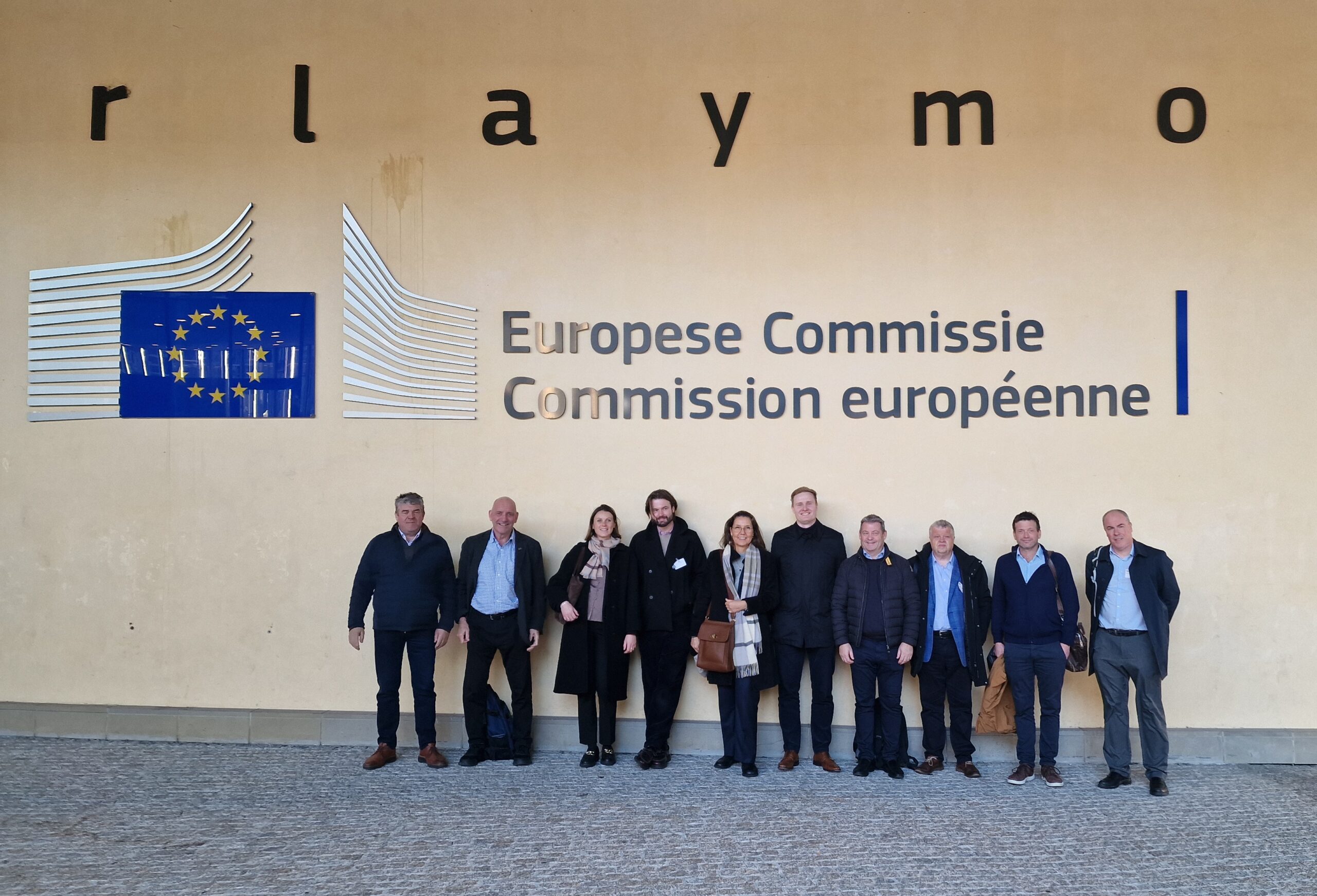
From 17 to 18 November, the EFFOP Board travelled to Brussels for two days of high-level meetings with EU institutions and key stakeholders. The visit provided an important opportunity to reinforce dialogue and share expertise, ensuring that the role of marine ingredients is fully recognised within current and forthcoming EU policy initiatives.
Discussions with DG SANTE focused on regulatory developments relevant to the sector, including the draft guidelines on fish oil production, the revision of maximum levels for certain contaminants in feed and the upcoming PFAS monitoring framework. The EFFOP Board reiterated its readiness to support the Commission with technical input, and welcomed the planned fact-finding missions and audits aimed at improving regulatory understanding of the sector.
Meetings with the UK Mission to the EU addressed the evolving EU–UK relationship, fisheries management in the North East Atlantic, and the implementation of the Sanitary and Phytosanitary Agreement. These discussions emphasised the importance of providing clarity and predictability for operators across the entire supply chain.
The EFFOP Board also exchanged views with partner organisations, including FEAP and EAPO, on the future of European aquaculture, pelagic stock management, certifications and sharing messages with policymakers regarding the consideration of blue foods in food policy. Opportunities for closer collaboration were identified, particularly with regard to joint advocacy and stakeholder initiatives.
We met with the Cabinet of the Commissioner for the Environment, Water Resilience and a Competitive Circular Economy. Discussions addressed water policy coherence, pollution at source and upcoming initiatives, such as the Ocean Act and the Maritime Strategy Framework Directive.
Finally, discussions with a Member of the European Parliament (MEP) and member of the PECH Committee highlighted the need for a more holistic EU food policy that better integrates blue foods, recognises science-based decision-making, and values the entire seafood industry.
These constructive exchanges confirmed the importance of continued engagement at EU level. We look forward to the continued collaborations and work ahead.