EFFOP Article on PFAS and Marine Ingredients in Aquafeed magazine
2026.1.26
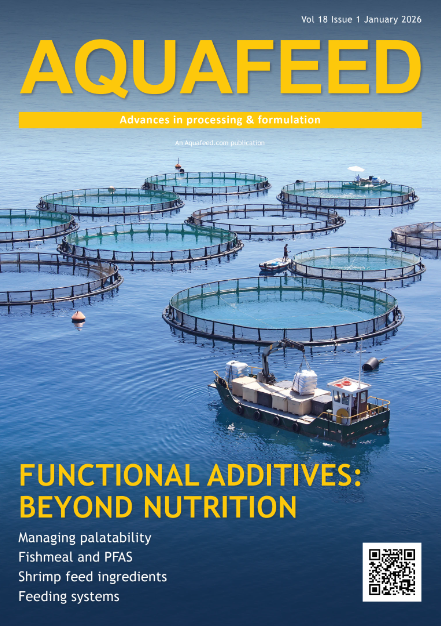
We are pleased to share that the latest Aquafeed: Advances in Processing & Formulation includes our industry perspective article on PFAS in marine ingredients.
You can read the article here
What is the article about?
The article addresses growing attention around per- and polyfluoroalkyl substances (PFAS) — often called “forever chemicals” — and explains how the European marine ingredients industry is responding in a responsible and science-based way.
It sets out an important message for policymakers, customers, and the wider European blue value chain: with robust monitoring and responsible sourcing, the role of marine ingredients in aquaculture nutrition is not compromised by PFAS.
Key points highlighted in the publication
🔬 Strong industry engagement with science and monitoring
EFFOP has supported the development of one of the most comprehensive PFAS occurrence datasets for marine ingredients in Europe. This includes data submitted to EFSA to inform ongoing risk assessments and future policy discussions.
🐟 Low levels observed in aquafeed and farmed fish
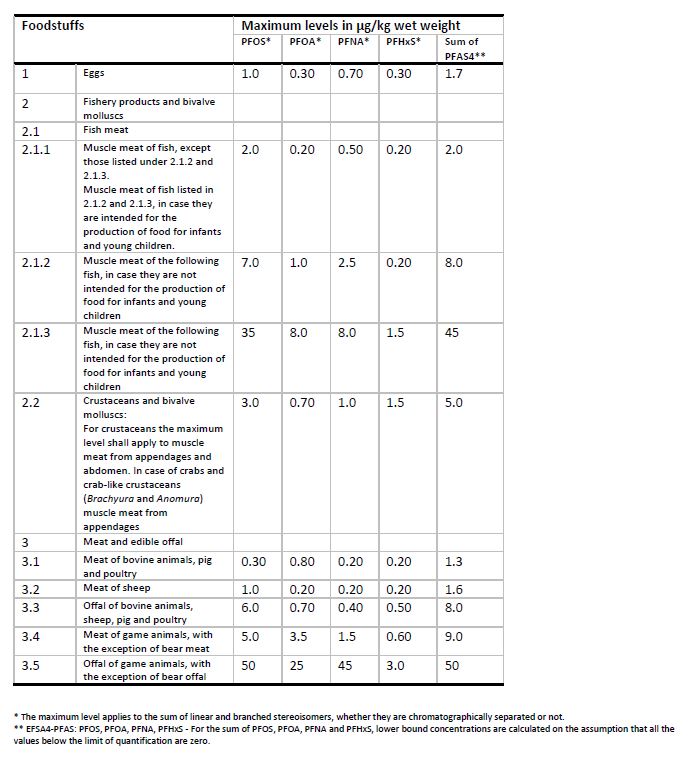
Monitoring programmes in Europe show that PFAS levels in most aquafeeds are below detection limits, and that farmed fish — including salmon — generally show very low levels, well within EU food safety limits. This evidence is important when responding to questions from customers and stakeholders.
⚖️ The need for proportionate, science-based regulation
While regulation of PFAS in food is already in place, future discussions on feed materials must be based on robust data, realistic exposure assessments, and an understanding that PFAS behaviour differs between animal species. A one-size-fits-all approach risks disproportionate impacts without improving food safety.
🏭 Addressing PFAS pollution at the source
The article also stresses that PFAS are a broad environmental issue, originating largely from industrial and consumer uses. From the industry’s perspective, it is essential that policy efforts focus on reducing emissions at source, rather than relying only on downstream restrictions in feed and food chains.
EFFOP will continue to work with members, researchers, and regulators to ensure that PFAS discussions remain evidence-based, proportionate, and aligned with both environmental protection and food security goals.
We would like to thank all members who contributed feedback and expertise during the drafting process.